
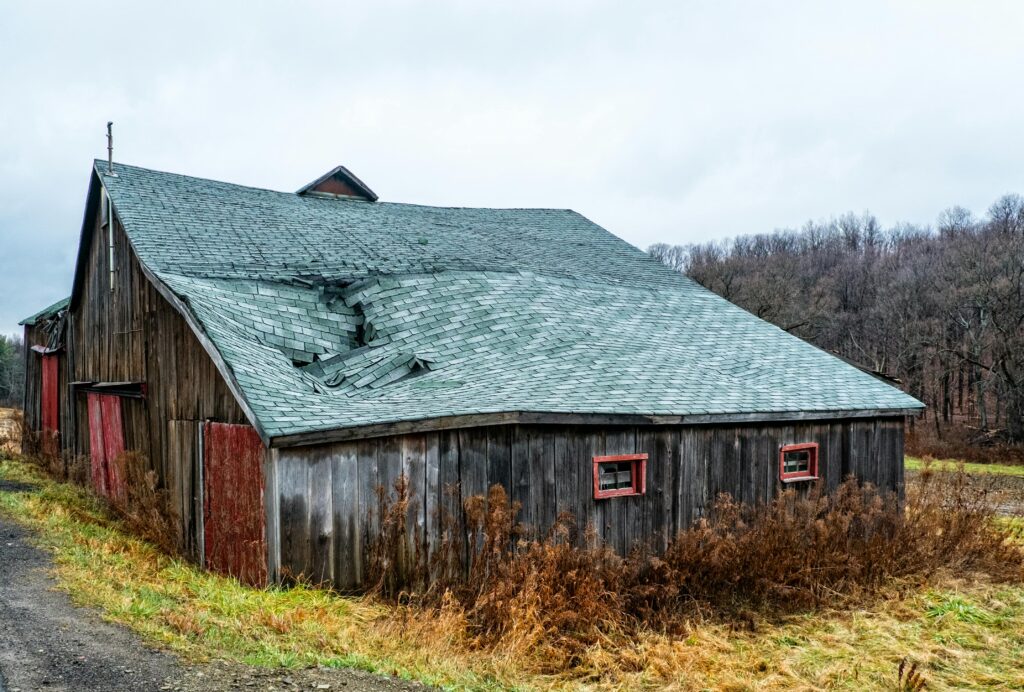
Winter can be beautiful, but it’s also tough on homes. Heavy snow, freezing temperatures, and repeated freeze–thaw cycles quietly stress your roof, walls, pipes, and foundation. When spring finally arrives, it’s the perfect time to slow down, walk around your property, and see how your home held up.
A post-winter inspection doesn’t have to feel overwhelming. Think of it as a gentle reset—catching small issues now before they turn into expensive repairs later. Here’s where to start.
Begin with a Walk Around the Exterior
Take a slow lap around your home and look closely. Notice any cracks in siding, brick, or stucco. Small gaps can form as materials expand and contract in cold weather. Check whether anything looks loose, warped, or out of place.
Pay attention to the foundation. Hairline cracks are common, but widening gaps, crumbling concrete, or sections that look shifted deserve closer attention.
Also scan for water stains or damp patches along exterior walls. These can point to drainage problems or melting snow finding its way where it shouldn’t.
Check the Roof and Gutters
Your roof absorbs much of winter’s punishment. From the ground or using binoculars, look for missing, curled, or damaged shingles. If you can safely access the roof, inspect flashing around chimneys and vents for cracks or separation.
Gutters often collect debris during fall and winter. Clear out leaves, twigs, and granules so spring rain can flow freely. Make sure downspouts direct water away from your foundation.
If you noticed ice dams during winter, look for signs of lingering moisture in the attic or along roof edges.
Inspect Windows and Doors
Cold temperatures can shrink seals and loosen caulking. Run your hand around window frames and door edges to feel for drafts. Look for cracked or peeling caulk and worn weatherstripping.
Condensation trapped between window panes is another red flag. It often means the seal has failed, reducing energy efficiency and allowing moisture inside.
Small sealing fixes now can noticeably improve comfort and lower energy bills.
Look Inside: Basement, Crawl Space, and Attic
Head to lower levels first. Check basement walls and floors for new cracks, water stains, or musty odors. These may indicate seepage from melting snow.
In the attic, scan for damp insulation, mold spots, or dark stains on wood. These signs can point to roof leaks or ventilation issues.
While you’re there, look for evidence of pests that may have sheltered inside during winter.
Test Plumbing and Water Systems
Turn on faucets throughout the house and check for slow flow, unusual noises, or drops in pressure. Inspect exposed pipes for corrosion or small leaks.
Don’t forget outdoor faucets and hose bibs. Even frost-proof spigots can crack after extreme cold.
If your water heater is accessible, check for pooling water or rust around the base.
Review Heating and Safety Systems
Change furnace or HVAC filters and schedule a professional tune-up if needed. Test smoke alarms and carbon monoxide detectors, replacing batteries if necessary.
These simple steps protect both comfort and safety.
Make a Short Repair List
As you inspect, jot down anything that needs attention. Prioritize issues related to water, structure, and safety first. Small fixes done early often prevent much larger problems later.
A post-winter home inspection isn’t about finding everything wrong. It’s about staying ahead, caring for your space, and giving your home the same attention it quietly gave you all winter long. With a thoughtful walk-through and a few basic checks, you set the stage for a safer, smoother, and more comfortable year ahead.