
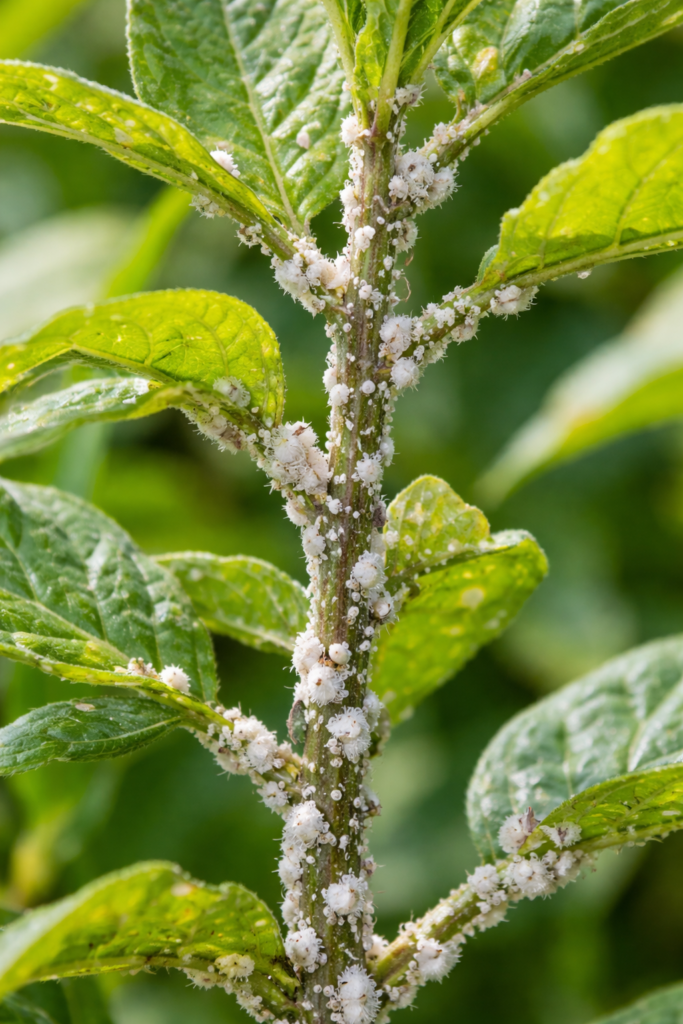
A thriving garden is one of life’s simplest joys. You nurture your plants with care, watch them grow, and imagine baskets full of fresh harvest. Yet, sooner or later, unwanted visitors show up. Aphids cluster on tender shoots. Caterpillars chew through leaves. Slugs glide silently across seedlings.
The good news? You don’t need to drown your garden in chemicals to fight back. Integrated Pest Management (IPM) offers a smarter, safer, and more sustainable way to protect your plants while respecting nature.
What Is Integrated Pest Management (IPM)?
Integrated Pest Management is a holistic approach to pest control that combines multiple strategies to prevent and manage pests with minimal environmental impact. Instead of relying on one quick fix, IPM focuses on long-term solutions. It emphasizes prevention, observation, and choosing the least harmful control methods whenever action becomes necessary.
In simple terms, IPM asks you to work with nature rather than against it.
Start with Prevention
Healthy plants are naturally more resistant to pests. Good gardening habits form your first line of defense:
- Build rich, living soil with compost and organic matter
- Water properly—neither too much nor too little
- Space plants to allow airflow and reduce disease pressure
- Rotate crops each season to disrupt pest life cycles
These small steps greatly reduce the chance of serious infestations.
Know Your Pests and Watch Closely
Regular inspection is essential. Check the undersides of leaves, stems, and soil surface. Look for chewed edges, yellowing leaves, sticky residue, webbing, or tiny insects.
Early detection allows you to intervene before pests explode into large populations. Keep simple notes about what you see and when it appears. Over time, patterns emerge, helping you anticipate problems.
Invite Nature’s Helpers
Many insects are your allies. Ladybugs, lacewings, parasitic wasps, and predatory mites feed on common pests. Birds and bats also consume enormous numbers of insects.
Encourage beneficial organisms by planting diverse flowering plants, providing water sources, and avoiding broad-spectrum pesticides that kill both good and bad insects.
Use Physical and Mechanical Controls
Sometimes the simplest tools are the most effective:
- Handpick caterpillars and beetles
- Spray aphids and mites off with a strong stream of water
- Use row covers to block flying pests
- Install copper tape or diatomaceous earth to deter slugs
These methods reduce pest pressure without chemicals.
Choose Least-Toxic Treatments When Needed
If pests persist, consider gentle options such as insecticidal soap, neem oil, horticultural oils, or biological products like Bacillus thuringiensis (Bt). Apply only to affected plants and follow label instructions carefully.
Chemical control should always be a last resort, not the first response.
Think of Your Garden as an Ecosystem
IPM views your garden as a living system where plants, insects, microbes, and soil interact. The goal is balance, not eradication. A few pests are normal. A healthy ecosystem keeps them from becoming overwhelming.
Grow Smarter, Garden Happier
Integrated Pest Management empowers you to become an observant, thoughtful gardener. By preventing problems, encouraging beneficial life, and responding carefully when needed, you build a resilient garden that thrives naturally.
With IPM, you’re not just controlling pests. You’re cultivating harmony, protecting pollinators, and growing food in a way that supports both your health and the planet.
Welcome to enlightened gardening—where every choice moves you closer to a greener, more abundant future.